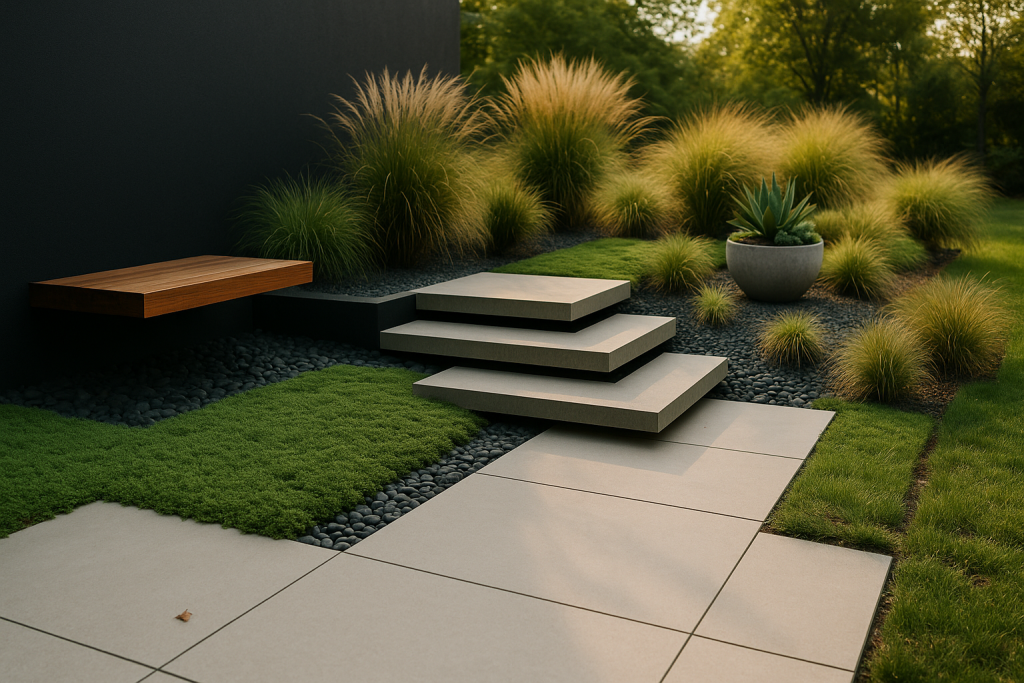
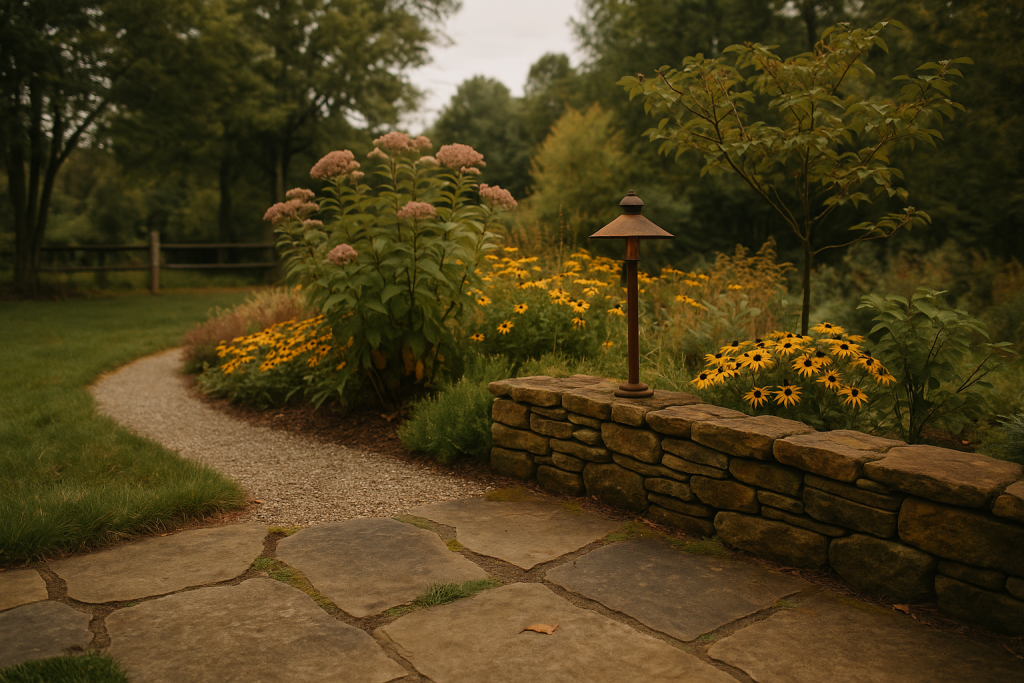
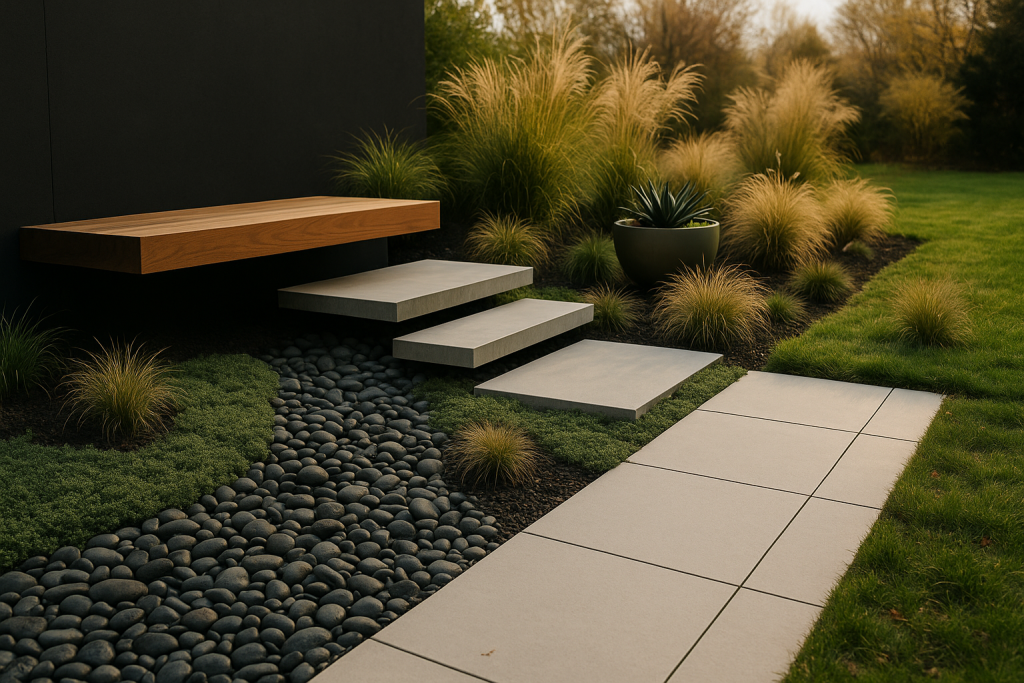
If you’re exploring layering plants Chesterland Ohio, you’ll find that this technique creates stunning visual interest and depth in your landscape. Homeowners and property managers alike can benefit from this method, which involves arranging plants in various heights, colors, and foliage textures. By understanding the key principles of layering, you can transform your outdoor space into a beautiful and harmonious environment that thrives in your specific local conditions while effectively using layering plants Chesterland Ohio.
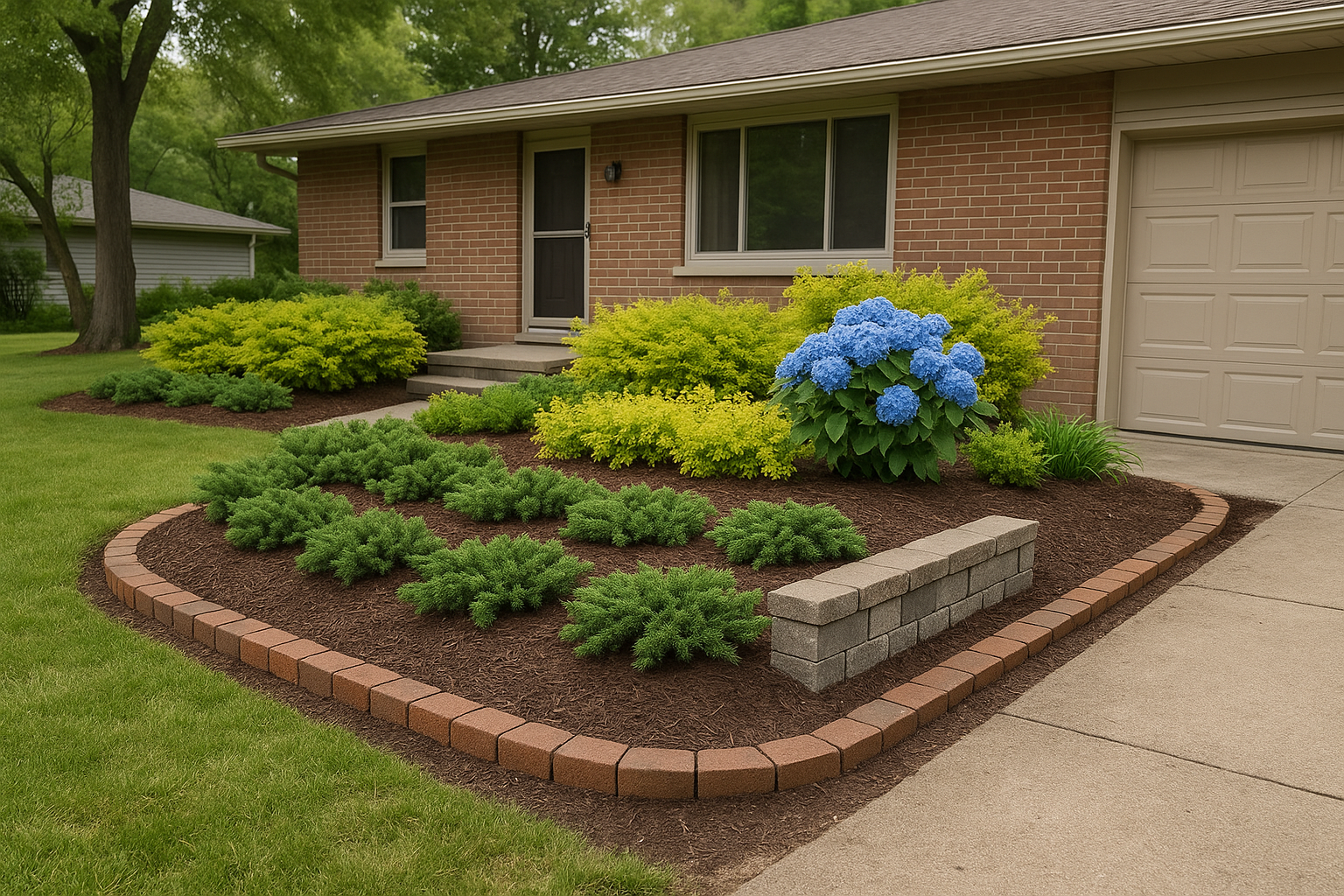
How Layering Plants Chesterland Ohio Can Transform Your Property
Understanding the Concept of Plant Layering
Layering plants involves arranging them in tiers that mimic the natural growth patterns found in forests and meadows. This technique not only enhances the aesthetic appeal but also promotes biodiversity and health in your garden. When considering layering plants Chesterland Ohio, start by identifying the three primary layers in a typical landscape:
- Foreground Plants: These are short plants and flowers that can include perennials and annuals, adding color close to the viewing eye.
- Middle Layer: This includes mid-sized shrubs and flowering plants that add height without obscuring the view of larger specimens.
- Background Layer: Taller plants, such as trees and large shrubs, serve as the backdrop for your garden, offering a majestic visual presence.
By thoughtfully placing plants in these layers, you can create a garden that is not only beautiful but also practical, allowing sunlight to reach lower plants while providing shelter and nesting spaces for local wildlife.
Choosing the Right Plants for Layering
Selecting the right plants for layering is crucial to achieving a cohesive look, especially in Chesterland, Ohio. Consider these local favorites when thinking about layering plants Chesterland Ohio:
- Forefront: Consider planting daylilies and black-eyed Susans, which provide vibrant color and strong blooms that thrive in well-drained soils.
- Middle Layer: For the mid-size layer, hydrangeas and dwarf boxwoods are excellent choices due to their hardy nature and beautiful structure, providing visual balance.
- Background Layer: Sugar maples or Eastern red cedars can create not only height but also visual interest with their striking bark and foliage, making them perfect for the taller layer.
When selecting, make sure to consider the USDA hardiness zone 6a that characterizes the Chesterland area. This will help ensure your plants thrive through local weather fluctuations influenced by the nearby Lake Erie, which can bring various climatic challenges.
Designing Your Layered Landscape Effectively
Planning the Layout for Maximum Impact
Well-planned layering can lead to a visually appealing garden that changes throughout the seasons, enhancing your property’s overall charm. Start by sketching out your garden layout, keeping in mind the sunlight and shade patterns in your yard. A few tips include:
- Use a Slope: If you have a sloped yard, take advantage of it by layering plants downhill. This not only helps with drainage but also enhances visibility for viewing pleasure.
- Cluster Plants: Rather than placing single plants throughout your yard, cluster them in groups of odd numbers (three, five, etc.) for a more natural look that encourages the eye to flow naturally over your design.
Remember that the key to successful layering plants Chesterland Ohio lies in repetition of colors and textures throughout your landscape, which enhances continuity across your design while providing a more inviting atmosphere.
Maintaining Your Layered Garden
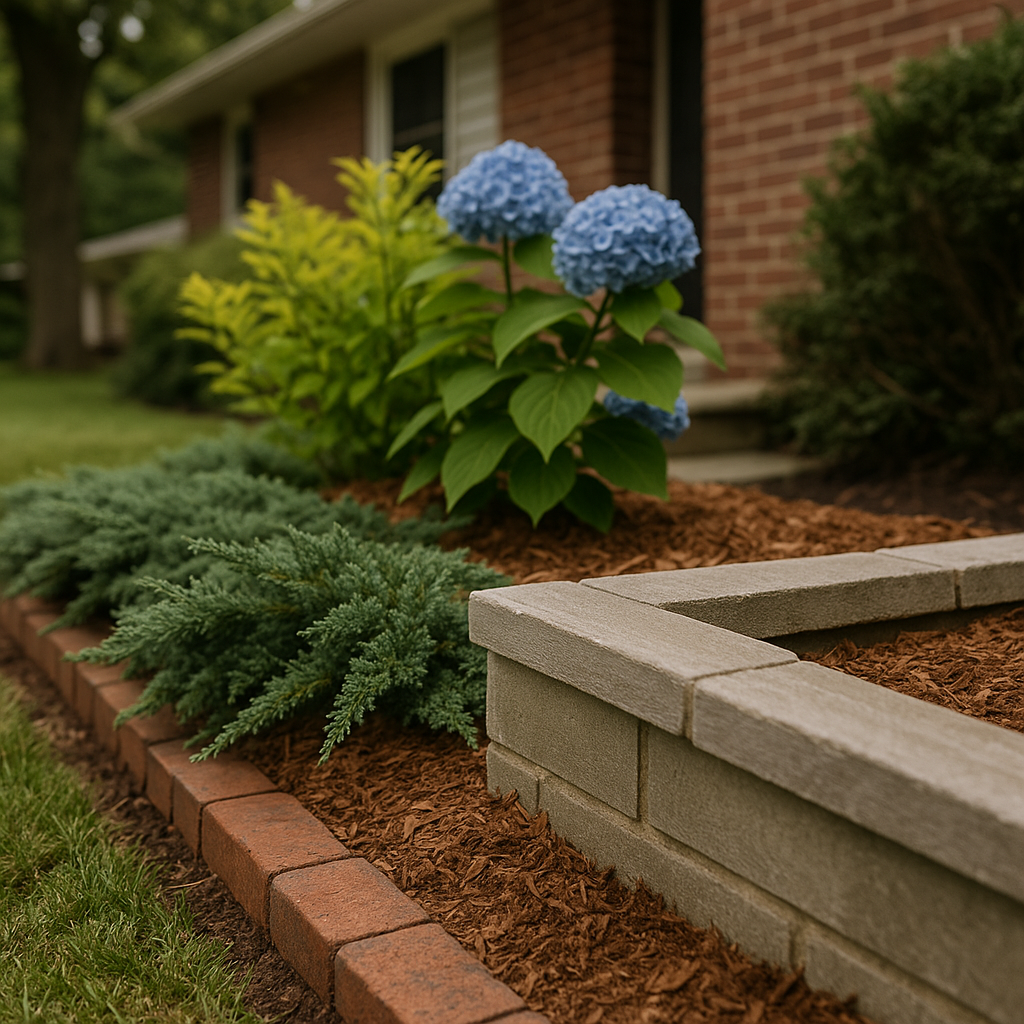
Once your layers are established, maintenance becomes crucial for keeping your landscape looking its best. Consider these essential maintenance tips:
- Pruning: Regular pruning of your middle and background layers will prevent them from overshadowing smaller plants; this ensures all layers receive adequate sunlight and contribute to a vibrant landscape.
- Weeding: Stay vigilant against weeds that thrive in layered environments. Regular weeding ensures that your plants don’t compete for nutrients, thereby maintaining their health and aesthetic appeal.
Maintenance tasks like deadheading flowers and mulching will also help retain moisture in your soil, which is particularly important in Northeast Ohio’s climate known for its seasonal changes.
Benefits of Layering Plants Chesterland Ohio for Your Home
Enhancing Biodiversity and Soil Health
Layering plants not only improves visual interest but also contributes positively to the local ecosystem. Diverse plant layers provide different habitats and food sources for birds and beneficial insects. Moreover, the varying root depths help improve soil structure and health while minimizing erosion, especially in sloped gardens. For example, deep-rooted plants can help stabilize soil, reducing runoff during heavy rainfall, which can be particularly beneficial in instances of localized flooding.
Seasonal Interest and Longevity
Another significant advantage of layering plants is the variety of textures and colors it can bring throughout the seasons. By choosing plants with staggered bloom times, you can ensure that your garden looks beautiful year-round. For instance, from early spring blooms of crocus to the vibrant autumn foliage of sumac, a well-planned layered garden can bring continuous joy and beauty. Moreover, the textures of evergreen plants provide visual interest even in winter months, making it always appealing.
Ready to Transform Your Chesterland Landscape?
If you’re ready to transform your Chesterland landscape, the team at Chapin Landscapes is here to help. Our experts can assist you in creating a visually stunning layered garden tailored to your preferences. We specialize in selecting suitable layering plants Chesterland Ohio that thrive in your local environment, ensuring long-lasting beauty. Contact us today for a free consultation.
Key Takeaways for Successful Plant Layering
- Understand the Layers: Know the three primary plant layers: foreground, middle, and background.
- Select Native Species: Choose plants suited for zone 6a and local conditions, such as daylilies and sugar maples.
- Plan Your Design: Sketch your layout, taking sunlight and slopes into consideration for effective layering.
- Maintain Regularly: Prune, weed, and mulch to keep your garden healthy and thriving, enhancing your landscape’s overall look.
For more research-based guidance on selection and maintenance of plants in Ohio, visit the Ohio State University Extension.