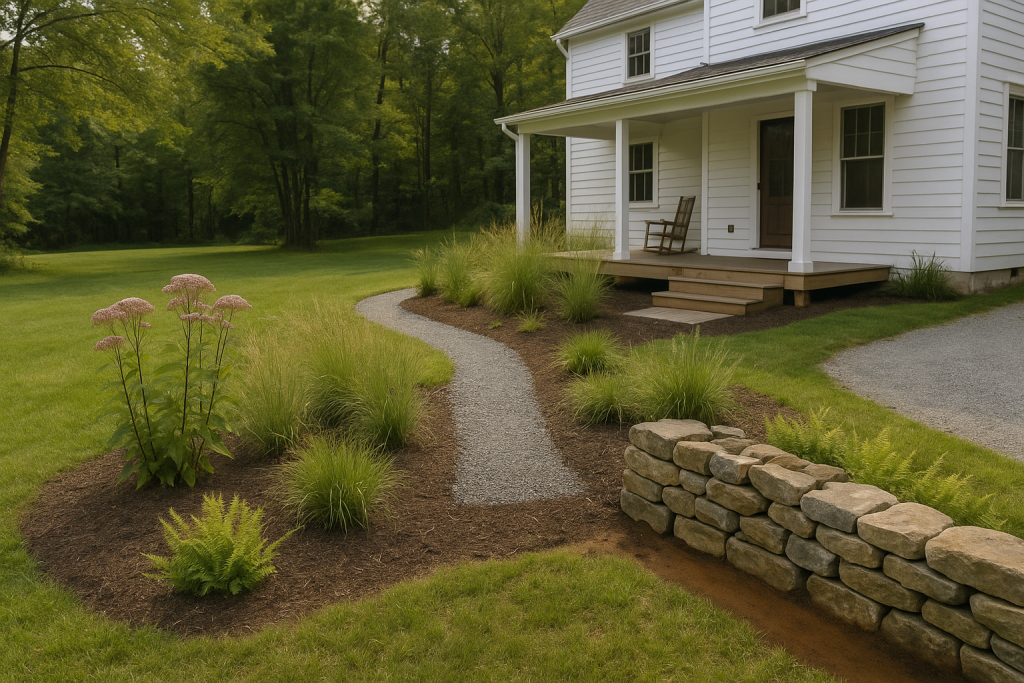
French drains are a commonly used landscaping solution in regions like Moreland Hills, Ohio, where managing excess water is crucial for maintaining healthy yards and homes. If you’re exploring French drain guide Moreland Hills Ohio, you’ll find that these systems effectively direct water away from areas prone to flooding or erosion. Understanding how French drains work and when to install one can help you protect your property while enhancing its landscape.
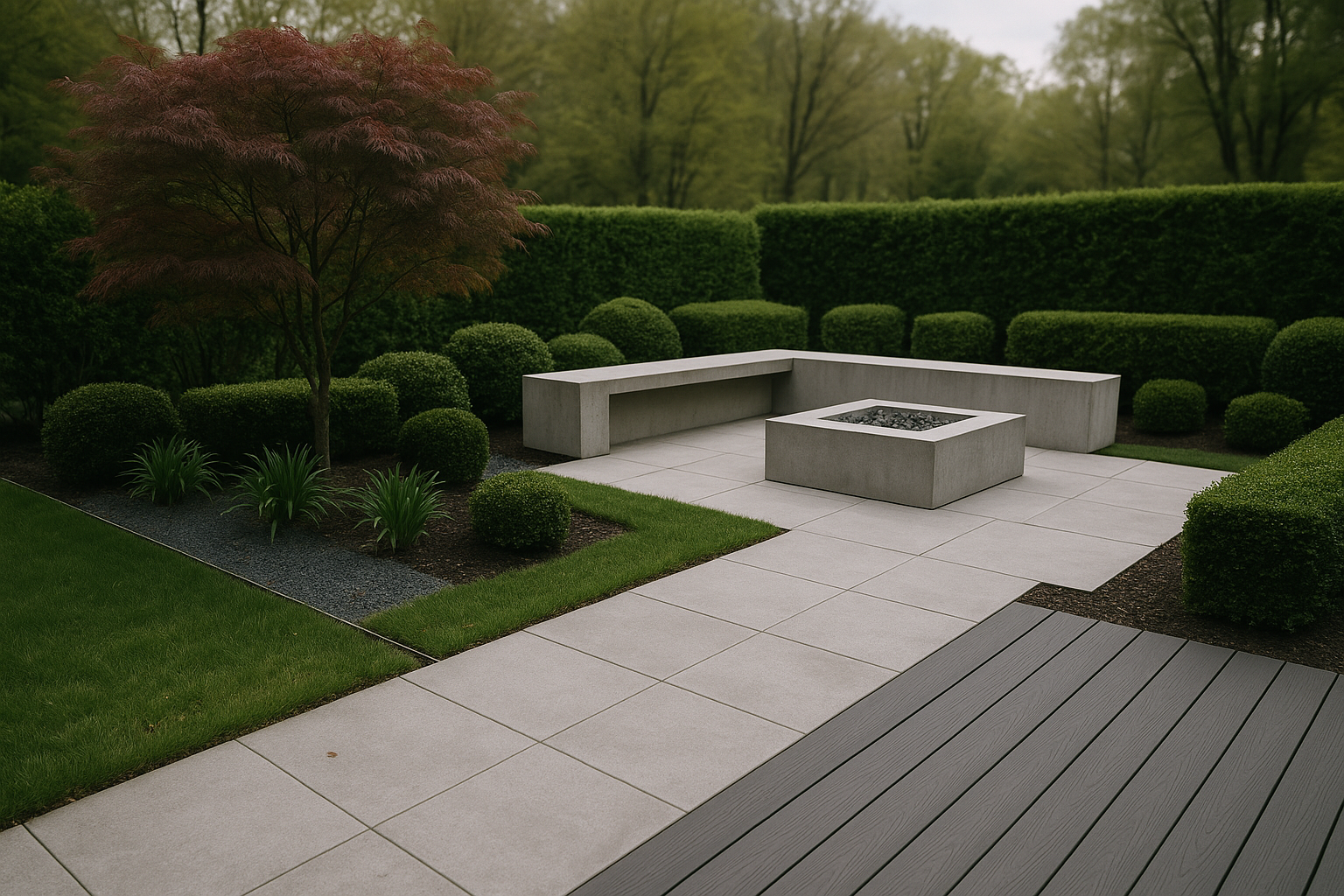
What Exactly Are French Drains and How Do They Work?
French drains are essentially underground drainage systems designed to redirect water. They consist of a trench filled with gravel or rock, with a perforated pipe at the bottom. When water accumulates—either from heavy rain or groundwater—the French drain helps channel this water away from your foundation and into a more suitable drainage area.
The installation process involves digging a trench, adding gravel, laying the pipe, and then covering it with more gravel and soil. This creates a path for water to flow freely while filtering out debris that could clog the system. In environments like Moreland Hills, known for its clay-rich soil and possible heavy rainfall, implementing a French drain can alleviate water accumulation issues.
Benefits of Installing a French Drain System
French drains offer several advantages, especially for residents in Northeast Ohio. They help reduce soil erosion, protect the foundation of your home, and prevent water damage to basements and other areas prone to flooding. Moreover, they promote healthier landscaping by preventing standing water that can attract pests and lead to plant disease.
When considering a French drain system, it’s also vital to think about the impact of seasonal changes. The winters in Chagrin Falls, characterized by temperature fluctuations and snowmelt, can lead to complex drainage issues. A properly installed French drain can manage this water runoff efficiently, ensuring that your property remains dry and your landscaping intact.
When to Consider Installing a French Drain?
If you frequently experience standing water in your yard or notice damp walls in your basement, it might be time to consider a French drain. Key indicators include:
- Pooling Water: Check for areas where water tends to collect after heavy rain.
- Basement Moisture: Persistent dampness or water stains in the basement or crawlspaces suggest improper drainage.
- Soil Erosion: If your landscape is eroding or you see soil movement, a French drain might be necessary to redirect water flow.
By addressing water issues early, you can avoid more extensive damage and greater costs down the line. Homeowners interested in French drain guide Moreland Hills Ohio often discover that these systems are a simple yet effective solution to persistent drainage problems.
Understanding the Installation Process
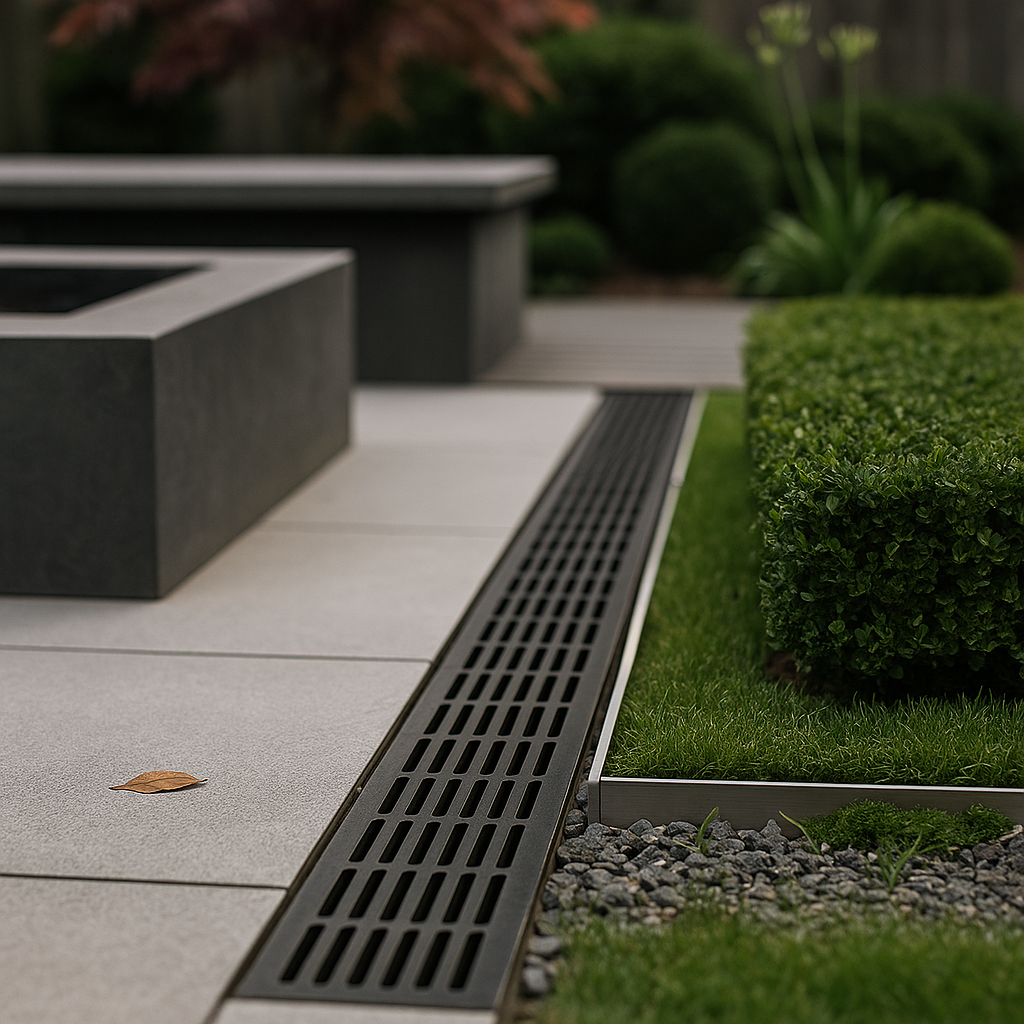
Installing a French drain requires careful planning. Homeowners should first assess the area and determine the best location for the drain. Consideration should be given to the natural slope of your yard and where the water naturally flows. Our team at Chapin Landscapes can help you identify these factors, ensuring optimal placement for maximum effectiveness.
Once located, the trench must be dug to the appropriate depth, typically around 18 to 24 inches, depending on the extent of drainage needed. The gravel layer serves multiple purposes, including helping to filter debris and providing a stable base for the perforated pipe, which is the heart of the French drain system.
Maintenance Tips for Your French Drain System
While French drains are generally low-maintenance, keeping yours in good condition ensures it operates effectively over time. Below are some tips to help maintain your French drain system:
- Regular Inspection: Check the outlet to see if it’s clear of debris regularly. If it becomes clogged, water will not flow properly.
- Ensure Proper Grading: Make certain that the area around the drain continues to slope away from the home, directing water toward the drain.
- Clean the Drain: Consider removing any built-up sediment or debris in the drain periodically. This may involve flushing with water to clear out any clogs.
Adopting proactive maintenance practices allows homeowners in areas like Moreland Hills to maximize the life and efficiency of their French drains. Our experience at Chapin Landscapes ensures we can design a drain that meets your specific needs while respecting the local environment.
Understanding Local Conditions for Drainage Solutions
Northeast Ohio’s climate has a significant influence on yard drainage. Being in USDA hardiness zone 6a means that we experience cold winters and warm, humid summers, leading to varied water management challenges. Lake Erie’s effect on our weather can also lead to sudden heavy rains or snowmelt, making efficient drainage systems all the more essential.
When planning your French drain installation, considering these local weather patterns can significantly enhance your drainage effectiveness. Our team is well-versed in Northeast Ohio’s unique environmental conditions, allowing us to tailor drainage solutions suited to your property.
Ready to Transform Your Landscape?
If you’re ready to transform your Chagrin Falls landscape, the team at Chapin Landscapes is here to help. Contact us today for a free consultation to discuss your drainage needs, including potential French drain installation. Chapin Landscapes proudly serves homeowners in Moreland Hills and the surrounding Chagrin Falls area.
Make sure to take action before water becomes a more significant issue on your property. With proper planning and installation, a French drain might be just the solution you need to maintain a thriving and beautiful landscape.
To further your knowledge on landscaping and drainage solutions, visit the Ohio State University Extension for valuable resources and research-based information tailored to our local environment. This commitment to education will empower you as a homeowner to make informed decisions regarding your landscape and drainage needs.