Understanding the Importance of Rain Gardens in South Russell Ohio
If you’re exploring rain garden design South Russell Ohio, you’ll find that these eco-friendly landscapes play a crucial role in managing stormwater. With Northeast Ohio’s variable weather patterns and occasional heavy rainfall, creating a rain garden is not only a sustainable option but also an effective way to protect our local environment. Rain gardens capture runoff, filter pollutants, and help recharge the groundwater, all while enhancing your property’s aesthetic appeal.
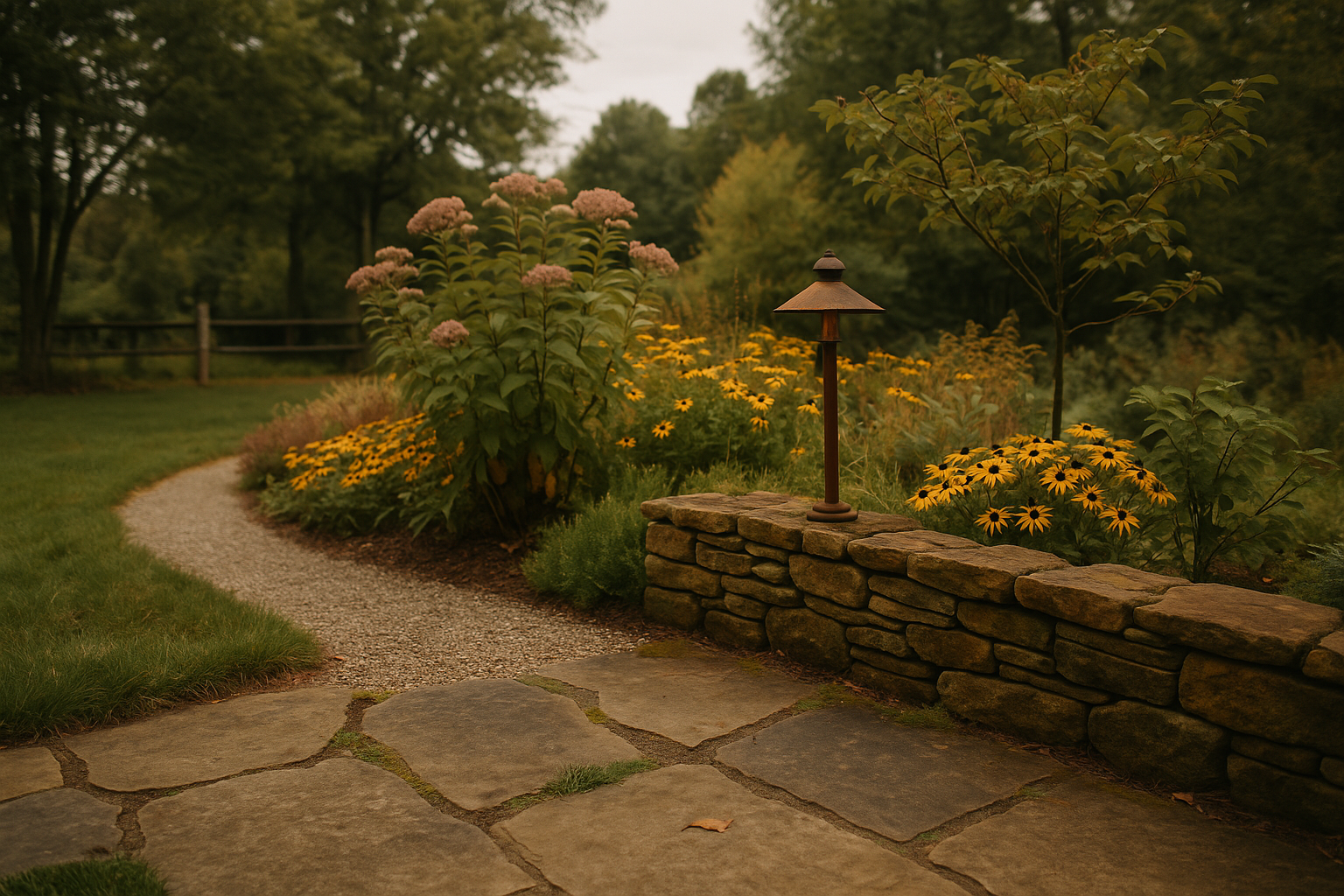
Rain gardens utilize native plants, which thrive in local conditions, making them perfect for the area. With the right design and plant selection, homeowners can create beautiful spaces that are both functional and environmentally friendly. In this guide, we’ll walk you through the steps to design an effective rain garden, focusing on what’s ideal for South Russell and surrounding areas.
How to Plan Your Rain Garden Design South Russell Ohio
Assess Your Property’s Drainage Needs
The first step in any rain garden design South Russell Ohio involves assessing your property’s drainage needs. Understanding how water flows across your landscape during storms is essential for effective design. Here are some key considerations:
- Identify Problem Areas: Watch where water accumulates after rain. Look for pooling or runoff patterns during heavy storms.
- Evaluate Soil Conditions: Conduct a simple percolation test to see how quickly water drains in your soil. This will help you determine the best location for your rain garden.
- Consider Local Climate: South Russell’s weather can influence your garden’s design. With USDA Zone 6a conditions, select plants that can thrive in colder winters and warm summers.
This initial assessment will help shape your rain garden’s size and location. Effective placement ensures that it can capture the most runoff while also adding natural beauty to your property.
Choose the Right Location for Your Rain Garden
Selecting the ideal location is vital for your rain garden to function correctly. Consider these practical tips when finalizing your site:
- Distance from Structures: Position your rain garden at least 10 feet away from foundations to prevent water damage. This distance allows natural drainage while keeping your home safe.
- Slope Considerations: If your yard has a slope, place the rain garden at the bottom or on a flat area to catch runoff effectively.
- Sunlight and Accessibility: Native plants thrive in varying sunlight conditions, so consider how much light each area receives throughout the day. Additionally, assess accessibility for regular maintenance.
Each of these aspects will contribute to a well-functioning rain garden that complements your South Russell landscape without causing issues.
Selecting Plants for Rain Garden Design South Russell Ohio
Native Plant Selection
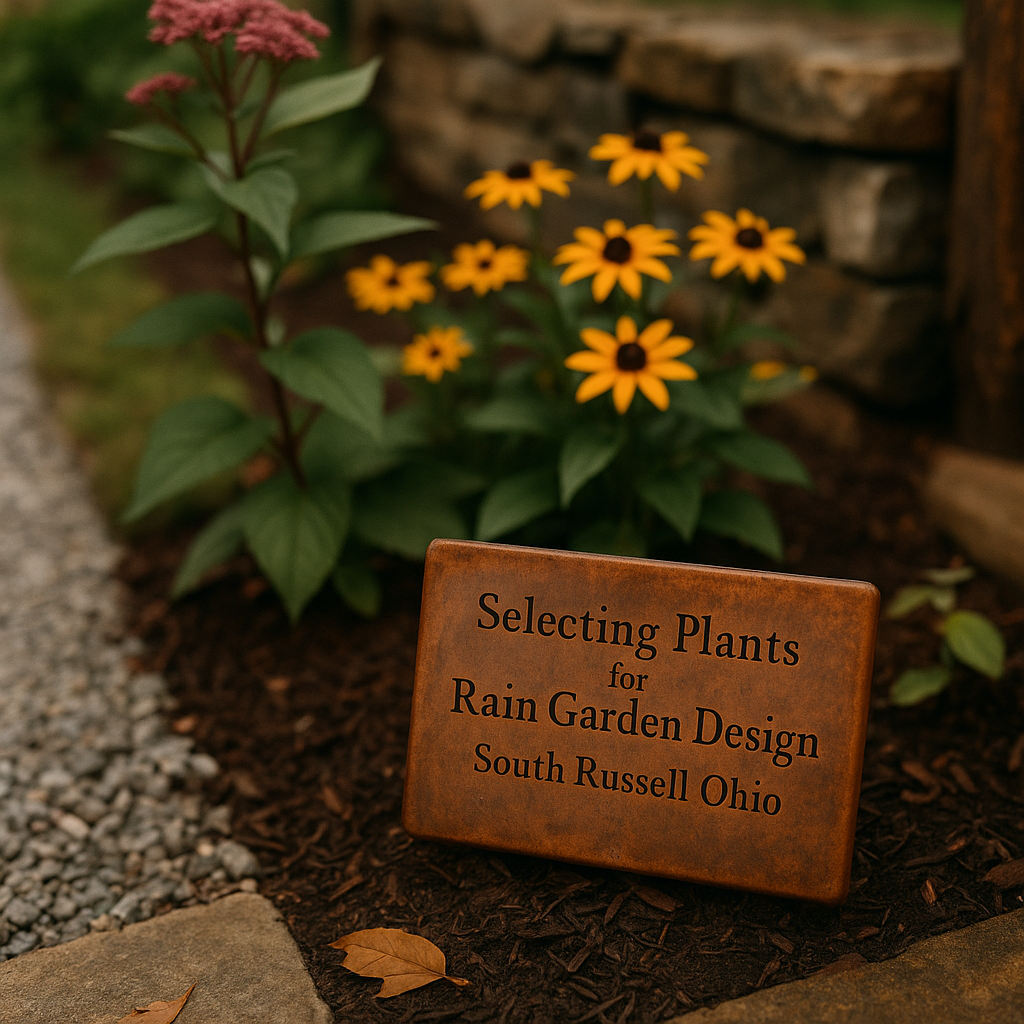
When it comes to rain garden design South Russell Ohio, choosing the right plants is essential for success. Native plants are adaptable to the local climate, require less maintenance, and provide essential habitat for local wildlife. Here are some recommended options:
- Eastern Redbud: This small tree is not only beautiful with its spring flowers but also helps stabilize soil.
- Black-eyed Susan: These cheerful flowers attract pollinators and thrive in moist conditions.
- Switchgrass: Great for managing excess water, this perennial grass enhances both form and structure.
Using native plants ensures your rain garden will flourish while requiring minimal intervention, saving you time and resources in maintenance.
Create Plant Zones
To enhance the efficiency of your rain garden, create plant zones based on moisture levels. Different areas of your garden may experience varying levels of saturation after storms. Here’s a helpful framework:
- Wet Zone (Center): Place plants that thrive in consistently damp conditions toward the center of the garden.
- Moist Zone (Middle): Surround the wet zone with plants that can tolerate moderate moisture.
- Drier Zone (Edge): On the outer edges, utilize plants that can withstand drier spells or occasional drought.
This zoning strategy promotes healthy growth while maximizing the garden’s stormwater management capabilities.
Managing Maintenance for Your Rain Garden
Regular Upkeep
Once established, your rain garden will require some maintenance to remain effective. Regular checks help ensure that it functions as intended. Here are some maintenance tips to remember:
- Weeding: Keep an eye on weeds that may compete with your native plants for nutrients and water.
- Mulching: Apply a layer of mulch to help retain moisture and prevent soil erosion.
- Monitoring Growth: Observe how the plants interact with stormwater during rainfall. Adjust your design as needed to improve efficiency.
Maintenance is less daunting when you select drought-resistant native flora, as they are well-suited for our climate and will naturally thrive with minimal intervention.
Seasonal Adjustments
Given the unique weather patterns in Northeast Ohio, consider seasonal adjustments to your rain garden. After winter, inspect for frost damage and clear out any debris that may have accumulated during fall storms. Regularly assess soil drainage as well, adjusting the plants if necessary.
By staying ahead of these seasonal changes, you’ll keep your rain garden thriving year-round.
Ready to Transform Your Landscape?
If you’re ready to transform your Chagrin Falls landscape, the team at Chapin Landscapes is here to help. Our expertise in rain garden design South Russell Ohio can elevate your outdoor space while promoting environmental sustainability. Contact us today for a free consultation.
Conclusion: Embrace Eco-Friendly Practices
Creating a rain garden is more than just addressing stormwater issues; it’s about embracing responsible landscaping practices. By implementing a rain garden design South Russell Ohio, you’ll contribute positively to your local ecosystem, manage water effectively, and enjoy a beautiful, low-maintenance garden.
For more reliable information on effective gardening practices in Ohio, visit the Ohio State University Extension.